For decades, Walmart has built its reputation on helping shoppers stretch every dollar. Its price points, brand range, and product assortment have all reflected that budget-friendly strategy.
More recently, however, the chain’s been experimenting with a shift toward premiumization. From adding high-end and designer brands to warning consumers that higher prices may be on the way, the retailer is slowly working to expand its appeal to wealthier consumers.
Its latest grocery addition, an exclusive line of restaurant-quality beef, is the latest evidence that the retailer is actively positioning itself as a destination for affluent households.
Walmart and McClaren Farms launch Smokehouse
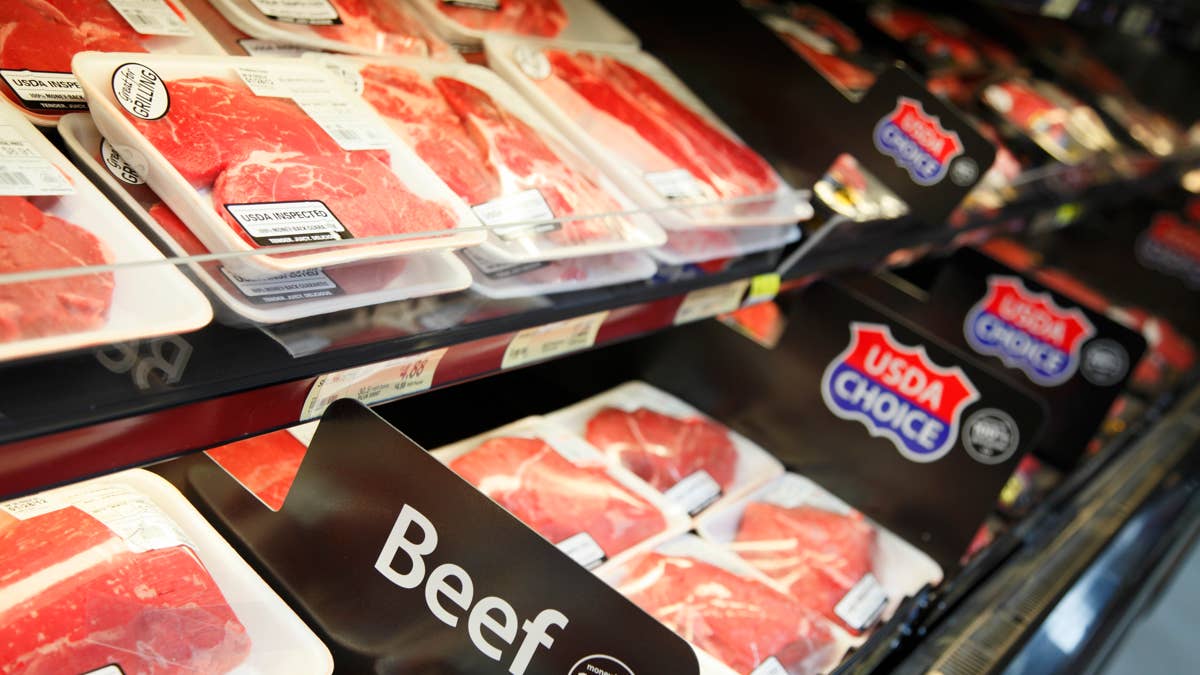
In June, Walmart and McClaren Farms revealed the launch of Smokehouse, a new line of premium Angus beef.
Available exclusively at Walmart locations across Texas, the line is designed to give home cooks access to restaurant-quality cuts for everything from backyard barbecues to romantic steak dinners.
“It’s about creating special moments around the table,” Bob McClaren, founder and owner of McClaren Farms, said in a statement. “With our McClaren Farms Smokehouse offerings at Walmart, we’re giving customers access to premium Angus beef that brings big flavor and big experience.”
Inspired by the bold flavors and large-format cuts synonymous with Texas barbecue culture and raised with a commitment to responsible care and quality nutrition, the minimally processed lineup includes seven unique products.
- Bone-In Cowboy-Cut Short Ribs, Prime Beef (2-4 lb.)
- Whole Beef Tenderloin, Choice Angus Beef (4.2-8.4 lb.)
- Bone-In Cowboy Ribeye Steak, Prime Beef (0.98-1.84 lb.)
- Brisket Burnt Ends, Choice Angus Beef (1.80-3.25 lb.)
- Bone-In Dino Ribs, Prime Beef (4.2-8.2 lb.)
- Thor’s Hammer Bone-In Shank, Prime Beef
- Beef Brisket, Choice Angus Beef (9.50-20.25 lb.)
Source: McClaren Farms
McClaren Farms first launched in Walmart back in 2021, as the retailer’s first self-developed Angus beef supply chain. Since then, the brand has expanded into 500 locations across the southeastern part of the country.
The exclusive Smokehouse line marks the brand’s Texas debut.
Getty Images
Walmart courts high-income shoppers
Over the past six months, Walmart has seen a notable shift in its core consumer base.
During the company’s fourth-quarter fiscal year 2026 earnings call, CEO John Furner told investors the chain was seeing outsized growth in high-earning households.
“This quarter, the majority of our share gains came from households making more than $100,000,” he said in February.
The trend continued in the first quarter of fiscal year 2027, with Furner telling investors Walmart U.S.’s near-50% net sales growth was “fueled by increased engagement with higher-income households.”
Earlier in the year, TheStreet’s Maurie Backman noted that “Walmart wasn’t necessarily trying to target higher earners.”
“Rather,” she wrote, “higher earners seem to be flocking there.”
But that seems to have changed.
In a June interview with Fast Company, Furner said the retailer was actively looking for ways to attract and keep higher earners.
“About a year ago, we decided it was time to go out and start talking about the company differently,” he told the outlet.
This strategy aligns with a larger retail trend. Elizabeth Lafontaine, director of research at Placer.ai, has noted that “high income consumers are critical for retailers to capture and retain in order to offset a drop-off in demand by other cohorts.”
“High-income shoppers’ price elasticity has bolstered the industry against rising inflation and price increases,” she wrote in a 2025 report.
One way the company plans to appeal to shoppers with more disposable income is by offering good, better, best product assortments through many of its categories.
Walmart is betting on premium groceries
The new McClaren Farms Smokehouse line is the perfect illustration of this strategy playing out in real time, but it’s not the first time Walmart has introduced premium products to its existing categories.
In fact, the retailer has already been experimenting with this approach across multiple departments.
More retail:
- Walmart adds service to rival DoorDash, UberEats
- Target’s $367 million grocery bet to save shoppers big money
- Walmart scores exclusive Coca-Cola World Cup soda
In April, Walmart added La Roche-Posay, a legacy skin care brand, to its shelves and trained its pharmacists in the benefits and uses of its products. A month later, it added a collaboration with heritage denim brand Lee and country music star Kacey Musgraves to its apparel aisles.
Other well-known brands, including Gucci, Dior, Levi Strauss, and Reebok, have been spotted popping up at locations around the country over the last several months. Still, the new McClaren Farms lineup marks an acceleration in Walmart’s premiumization strategy.
Grocery sales make up more than half of Walmart’s annual revenue, according to Statista, but high-volume staple items like milk and eggs typically carry notoriously razor-thin profit margins.
Premium grocery offerings, on the other hand, create opportunities for retailers to increase spending among shoppers who are willing to pay more for specialty products.
Additionally, the addition of premium grocery items could help Walmart compete more directly with traditional, higher-end supermarkets like Whole Foods.
By bringing its premiumization strategy to the grocery aisle with the Steakhouse line, Walmart is suggesting that it increasingly sees itself as a retailer capable of serving both value-focused shoppers and consumers looking for premium experiences.
Related: Best Buy CEO drops major consumer warning on her way out