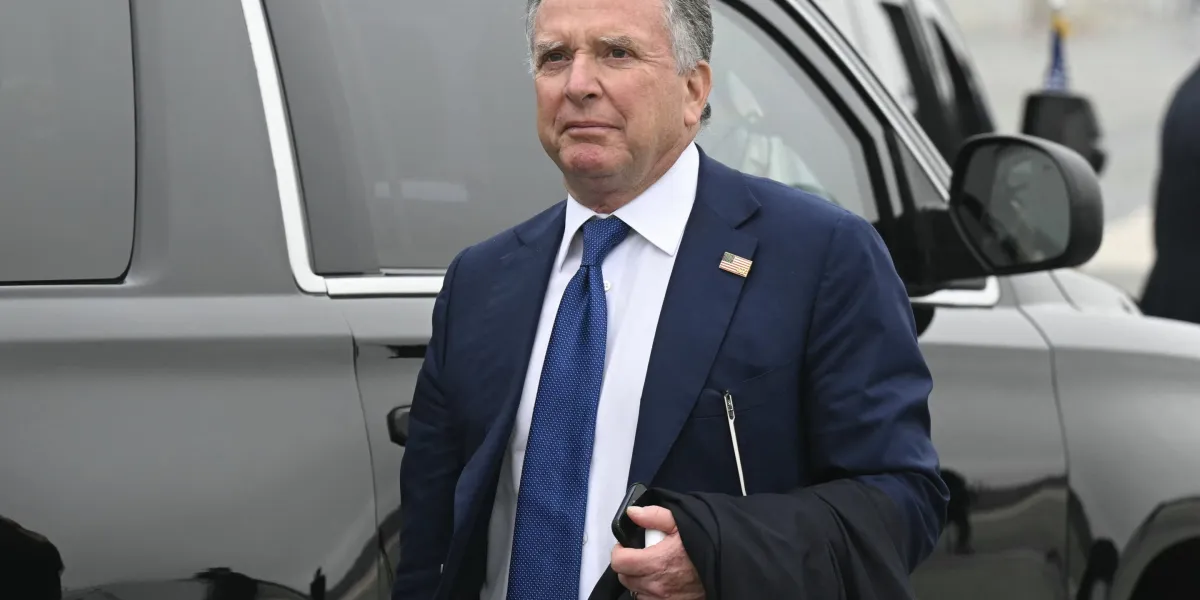
When veteran crypto venture capitalist Nic Carter got a call from Steve Witkoff about joining the Trump family’s new cryptocurrency venture, World Liberty Financial, he was intrigued enough to take the meeting. But what started as a promising conversation quickly went off the rails. Carter told New York magazine that Witkoff, who cofounded WLFI and now serves as a special envoy to the Middle East, seemed genuinely baffled by the basics of the industry he was asking Carter to help navigate. “He didn’t know what crypto or DeFi was,” Carter recalled. “He didn’t know what the pitch was.”
The real dealbreaker came when Witkoff tried to explain how Donald Trump had gotten interested in the project in the first place. According to Carter, Witkoff said Trump’s teenage son Barron had been getting active with memecoins — those jokey cryptocurrencies inspired by internet culture and viral memes — except he pronounced it “me-me coins.” That mispronunciation, layered on top of everything else, was enough for Carter to walk away. He realized there was no actual product behind the venture, just plans to launch a token.
WLFI debuted last August when Trump and his two oldest sons teased the project on social media, followed weeks later by a so-called Gold Paper outlining the venture’s ambitions. The company pitched itself as a decentralized finance platform aimed at democratizing access to financial opportunities, with cofounders including Trump, his three sons, Witkoff and his two sons, internet marketer Chase Herro, and former pickup artist Zak Folkman. When Trump assumed the presidency in January, both he and Witkoff stepped down from their roles.
The project has been enormously profitable for the Trump family regardless of its rough start. Trump’s July financial disclosure showed that roughly $1.4 billion of his estimated $2.2 billion net worth came from crypto-related investments, with his business entities pulling in $600 million from WLFI alone. But the venture has also attracted controversy, particularly around its ties to crypto billionaire Justin Sun, who transferred $45 million to WLFI in exchange for tokens and later joined as an advisor before suing the company in April over allegations of fraud and breach of contract. The price of the WLFI token has plummeted more than 80 percent since it began trading publicly last September, leaving everyday investors holding heavy losses while the family behind it cashed out handsomely.