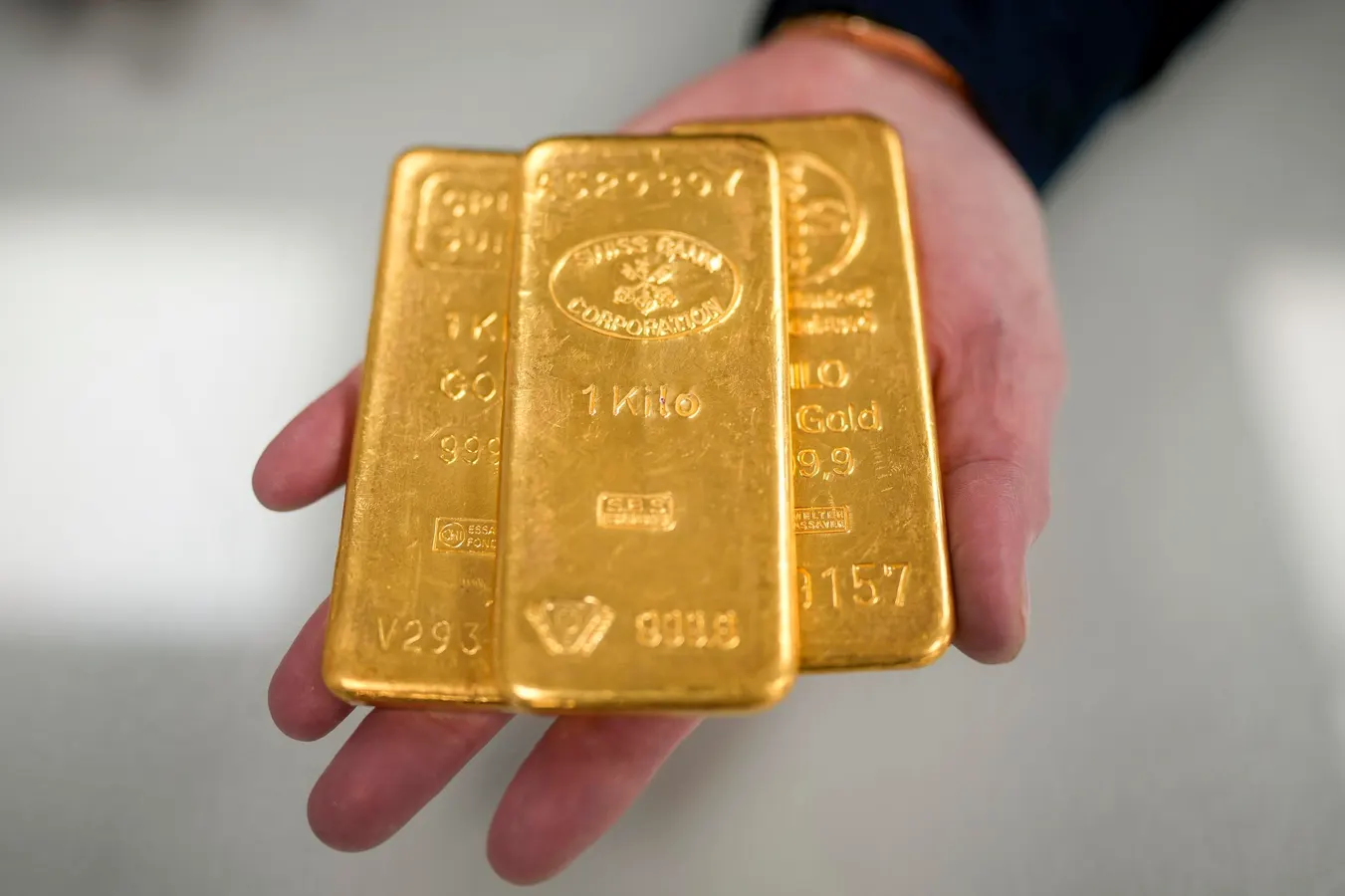
Andrey Didovskiy believes that the inherent chaos of the digital asset world is precisely why people crave stability. As the chief executive of Seasons, a Solana based protocol, Didovskiy argues that volatility has historically destroyed investors, leading his project to seek a sanctuary of sorts by distributing gold and bitcoin directly into user wallets. By turning any wallet holding over 10,000 tokens into a network node, the system functions as a sort of automated savings account where participants receive payments in tethered gold and yield bearing dollar tokens twice a week without having to lock or stake their assets.
The engine driving these payouts is remarkably blunt: a ten percent transactional transfer tax. Every single buy or sell order triggers this levy, meaning a tenth of every trade is stripped away and redistributed to those who already hold enough tokens to qualify as nodes. Essentially, the profits landing in one person’s wallet on a Sunday are funded by someone else’s trade from a few days prior. While Didovskiy acknowledges this isn’t a new concept, drawing inspiration from previous market cycles, he claims the current model is designed to avoid the inflationary traps that plagued earlier versions of similar tokens.
Despite the allure of passive income and hard assets, the math reveals a steep climb for newcomers. With twenty percent of an investment potentially eaten up by taxes upon entering and exiting the position, many users may find themselves waiting eighteen months just to break even on fees alone before accounting for price fluctuations. Current data suggests only a small fraction of total holders actually meet the threshold to earn rewards; thousands hold the token and pay the tax during trades without ever receiving a distribution in return.
This redistribution model echoes the controversial era of reflection tokens like SafeMoon, which saw its leadership convicted of fraud years ago. While Seasons attempts to distance itself through technical safeguards such as revoking mint authorities and paying out in external assets rather than its own currency, skeptics remain cautious. Industry experts warn that astronomical interest rates are rarely sustainable indefinitely, leaving many to wonder if this latest attempt at creatingStability is simply another iteration of an old and dangerous experiment.