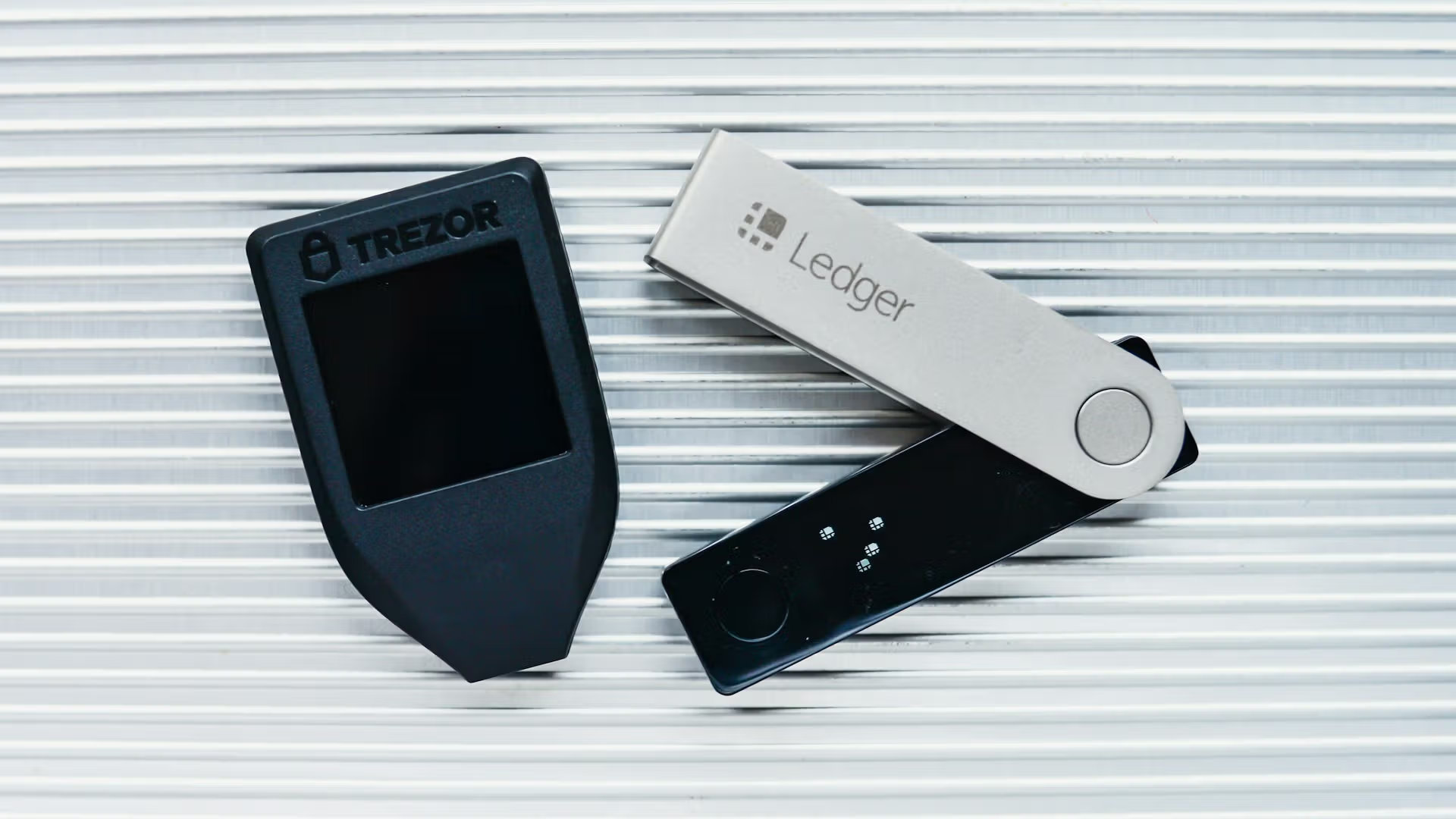
Russian cryptocurrency enthusiasts are rushing to secure their digital assets as the country edges closer to implementing a strict new regulatory framework. Recent data from major retailers shows a dramatic surge in the purchase of hardware wallets, which allow users to store their private keys offline away from internet connected services. M.Video reported that unit sales on its marketplace jumped 107 percent in the second quarter compared to the first, while e commerce giant Wildberries saw an 84 percent year on year increase during the first half of the year.
This spike in demand coincides with several looming deadlines set by Russian authorities. A broad new crypto regime is scheduled to take effect on September 1, creating a structured environment for regulated exchanges and digital depositories. While certain retail investors will be allowed to trade liquid cryptocurrencies under specific caps, domestic payments remain banned. More critically, current laws prohibit withdrawals from official Russian digital depositories to personal wallets beyond a transition period ending in July 2027, after which all transactions must flow through regulated intermediaries.
Despite the rush toward self custody, legal experts note that these devices are not a magic bullet for bypassing state restrictions. While owning a non custodial wallet remains legal, they cannot override banking regulations or mandated processing frameworks once they are fully enacted. Furthermore, industry analysts warn that moving funds to physical hardware does not entirely eliminate risk. Technical vulnerabilities persist, highlighted by recent flaws found in other global hardware brands that led to significant financial losses due to weak seed generation.
As prices fluctuate across marketplaces like Wildberries where average costs have dipped slightly, the trend suggests a growing desire among Russians to maintain direct control over their holdings before the window for flexible movement closes. For now, many investors seem willing to gamble on the technical risks of hardware storage rather than leave their portfolios subject to the evolving whims of centralized regulators and bank mandates.