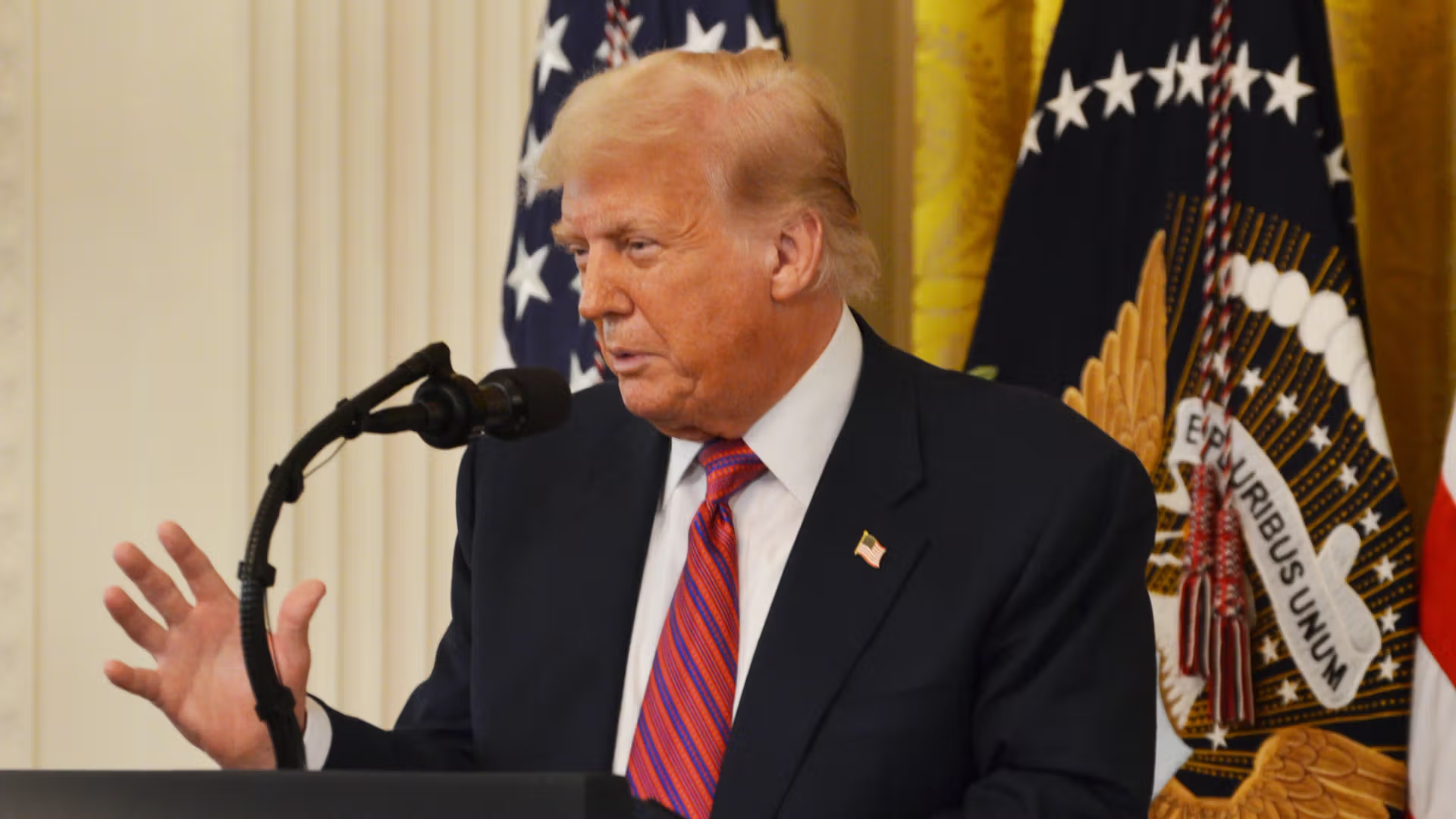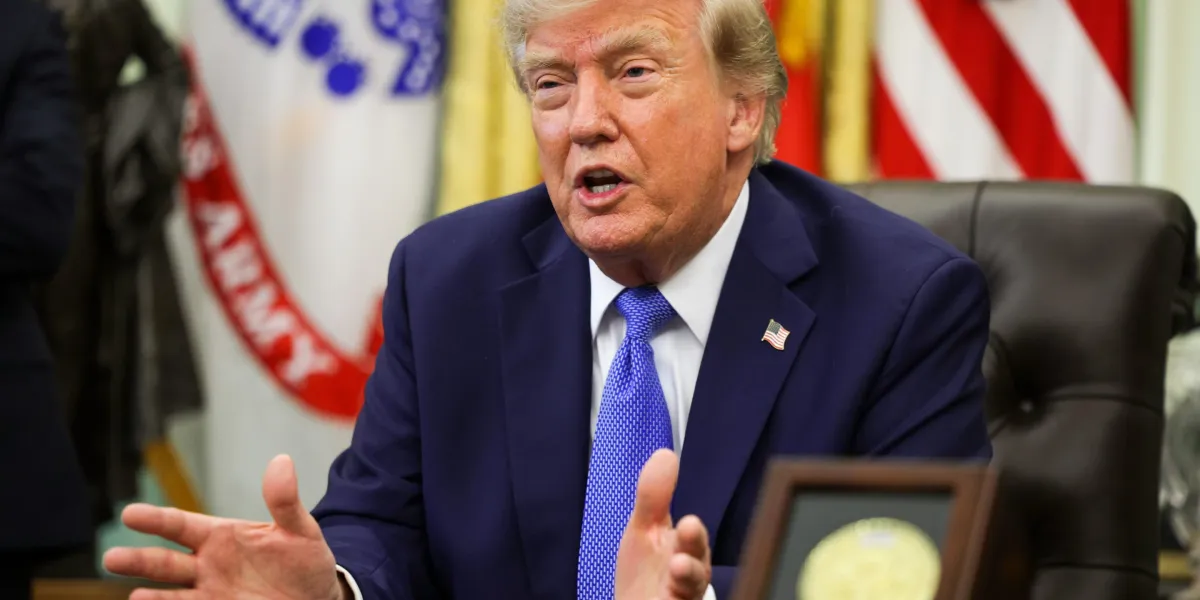
President Donald Trump announced a sweeping two billion dollar federal investment on Friday aimed at securing the domestic supply of critical minerals essential for national security and advanced technology. Speaking at a State Department roundtable, the president outlined a combination of loans, grants, and equity investments designed to bring the mining and refining of materials used in defense manufacturing, artificial intelligence infrastructure, and electric vehicles back to American soil. He claimed that streamlined permitting processes have already pushed the opening of new mines to their fastest pace since the 1950s, noting that his administration has finalized nearly forty billion dollars in mineral agreements since early 2025.
The bulk of this latest funding is being channeled through a specialized office within the Department of War to support private sector growth. California based Sila Nanotechnologies emerged as the biggest winner of the announcement, securing one point four billion dollars from the Pentagon. This massive infusion of capital will allow the firm to expand its production of silicon carbon battery anodes and build a new lithium ion cell facility intended to power everything from military satellites to unmanned aerial systems and munitions. Other significant commitments include a four hundred million dollar loan to Australia’s Sunrise Energy Metals for scandium production and one hundred fifty million dollars for Minnesota based Niron Magnetics to produce rare earth free permanent magnets.
Beyond direct funding, the administration is implementing strict new rules to shield the defense industrial base from foreign supply shocks. Under a recent executive order, the government is closing loopholes that previously allowed contractors to source strategic metals from geopolitical adversaries when domestic options were deemed unavailable. Starting in January 2027, all defense contractors across every tier will be required to map their entire supply chains back to the raw material level or risk losing their contracts entirely.
To address gaps in midstream processing, the Pentagon is also backing a project known as the Freedom Facility via a five hundred million dollar conditional loan to Phoenix Tailings. This site is expected to become a hub for rare earth separation and metallization by 2028. Complementing these large scale moves, smaller grants from the Export Import Bank are targeting specific niche developments in graphite, boron, and tantalum across states like Alabama and Pennsylvania, while overseas efforts continue with modest investments into rare earth projects in Madagascar.