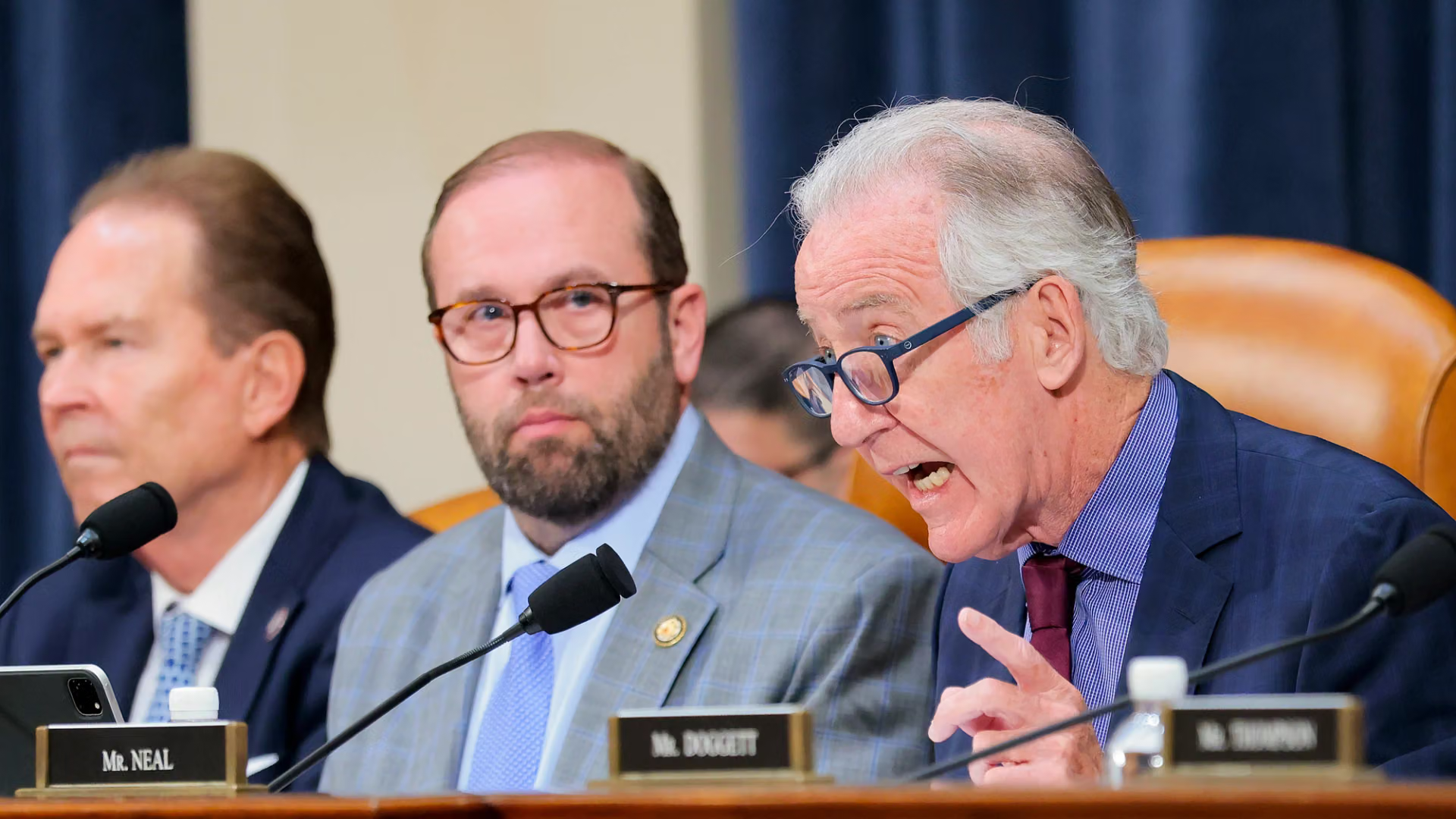
In a swift pivot following a major legislative setback in the Senate, the U.S. House Ways and Means Committee has moved forward with a bipartisan crypto tax bill aimed at simplifying how digital assets are handled by the IRS. The Digital Asset Tax Certainty Act passed through a markup hearing with an overwhelming 38-5 vote, signaling strong cross-party support just hours after the industry’s primary market structure goal, the Clarity Act, failed to gain traction in the Senate.
The core of the proposed legislation focuses on easing the burden for casual users by introducing a de minimis exemption for small transactions. Under current laws, even tiny purchases can create complex accounting nightmares for taxpayers. By setting a ten dollar threshold for these routine payments, proponents argue that cryptocurrency can finally become practical for everyday use. Committee Chairman Jason Smith highlighted this necessity during the hearing, noting that without such common sense rules, something as simple as buying a cup of coffee triggers an absurd maze of compliance.
Beyond small payments, the bill seeks to bring digital assets into alignment with traditional financial products. It addresses critical issues like staking, mining, and wash sale rules to ensure that crypto is treated similarly to stocks or bonds under existing tax frameworks. Representative Steven Horsford emphasized that the package provides much needed specificity regarding qualifying stablecoins and network fees, effectively building a foundation of basic tax rules where there were previously gaps and uncertainties.
However, the push for these changes was not without friction. Some critics argued that the committee was prioritizing special interests over those of average citizens. Representative Lloyd Doggett expressed skepticism during the proceedings, suggesting that the rush to provide favors to a heavily lobbied industry ignored more pressing national needs. He pointedly questioned why tax breaks for crypto holders were being fast tracked while other economic struggles remained unaddressed.
Despite these objections and a ticking clock on the current congressional session, supporters see this vote as vital momentum. With only a few weeks of work remaining between the November elections and January, passing the bill immediately faces steep odds. Nevertheless, clearing this hurdle in the House establishes a legislative blueprint that could pave the way for broader adoption and regulatory clarity in future sessions regardless of which party holds power.