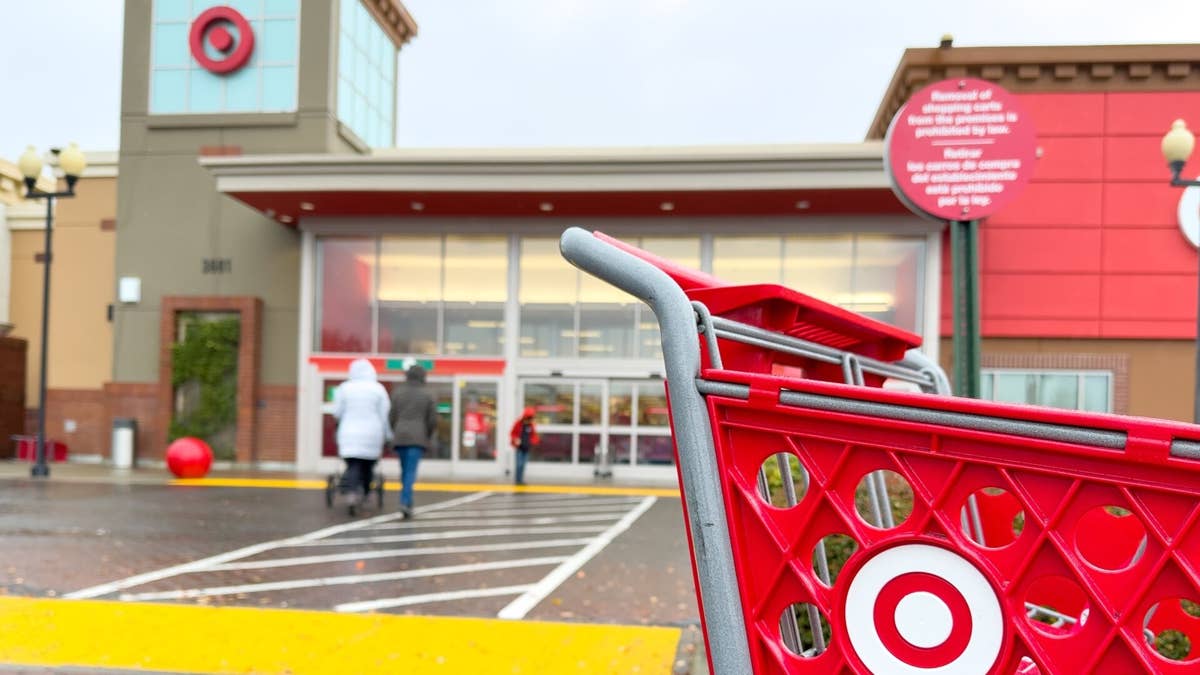
For Apral Jack, a resident of Lexington, Massachusetts, the simple act of buying groceries has turned into a tactical operation. Before stepping foot in a store, she consults digital apps for deals and meticulously scans weekly circulars for overlooked coupons. If the price of a staple like apples climbs too high at one supermarket, she simply crosses it off her list and drives to another store where the cost is more manageable. This level of vigilance has become the new normal for millions of Americans attempting to navigate the most significant surge in food prices seen in half a century.
Government data reveals a staggering reality, showing that the cost of buying food to eat at home in U.S. cities has jumped by 33 percent since early 2019. To put that in perspective, prices rose only 6.4 percent during the preceding seven and a half years combined. A perfect storm of disruptions fueled this spike, ranging from pandemic induced supply chain collapses and labor shortages to devastating droughts and avian flu outbreaks. Global instability has played its part as well, with tariffs affecting imports like coffee and chocolate, while conflicts in Ukraine and the Middle East have destabilized oil and fertilizer markets.
While official statistics suggest that average weekly earnings for full time workers have risen slightly faster than grocery costs since 2019, economists argue that numbers on a spreadsheet do not reflect the lived experience of families. Jared Bernstein of the Stanford Institute for Economic Policy notes that consumers possess a keen memory for pricing and are feeling squeezed because other essential expenses, such as rent and electricity, have soared simultaneously. For low income households, the burden is even heavier; roughly one fifth of American families spend nearly a third of their pretax income just to keep food on the table.
In places like Texas, once known for affordable beef, meat has transitioned from a dietary staple to an occasional luxury. Ground beef prices have spiked nearly 80 percent since 2019 due to shrinking cattle herds and rising feed costs. Shoppers like Ada Torres in Cleveland, Texas, describe a frustrating environment where a hundred dollars barely covers seven family sized items_ provided they find enough deals_. From swapping brand name cans for generics to relying on food banks or eliminating nonessential treats like takeout coffee, Americans are rewriting their domestic playbooks just to survive the trip to the checkout line.