China has a hot new product in the United States: artificial intelligence. From Silicon Valley executives to small business owners, a growing number of Americans are embracing Chinese AI systems that promise near-frontier performance at a fraction of the cost. Raffi Krikorian, chief technology officer at Mozilla in San Francisco, switched to Chinese startup Moonshot’s Kimi K3 model within days of its July launch, using it for everyday tasks like managing his calendar and email. He had already been relying on another Chinese model, Z.ai’s GLM-5.2, calling the new one simply “snappier” than Anthropic’s pricier Claude Fable chatbot.
The appeal comes down to economics. AI usage is priced per million tokens, and as businesses deploy autonomous AI agents that handle complex multistep tasks, those costs compound quickly. Curt Meinhold, a technology executive based in Greensboro, North Carolina, said he now prefers DeepSeek for finding business leads and generating sales ideas. He can pay pennies per million output tokens instead of thirty or forty dollars for comparable American models. For him and many others, the Chinese alternatives are simply good enough — a phrase that captures why companies like Coinbase have also made the switch.
Chinese models are dominating adoption metrics. Over the past month, five of the most popular models tracked by the platform OpenRouter were all Chinese. Sensor Tower data showed Kimi downloads surged past 930,000 in the week after K3 launched, jumping nearly four hundred percent from the prior week, including about eighty-six thousand downloads in the United States alone. Demand was so intense that Moonshot temporarily suspended new subscriptions after overwhelming its server capacity.
What gives these models an edge beyond price is that most are open-source, allowing anyone to inspect and build upon them freely. As closed-system offerings from leading American firms remain locked down, developers worldwide are gravitating toward China’s transparent approach. Goldman Sachs wrote in a July report that Chinese AI is reaching a critical stage for widespread global adoption precisely as demand surges for cost-effective agentic AI tools.
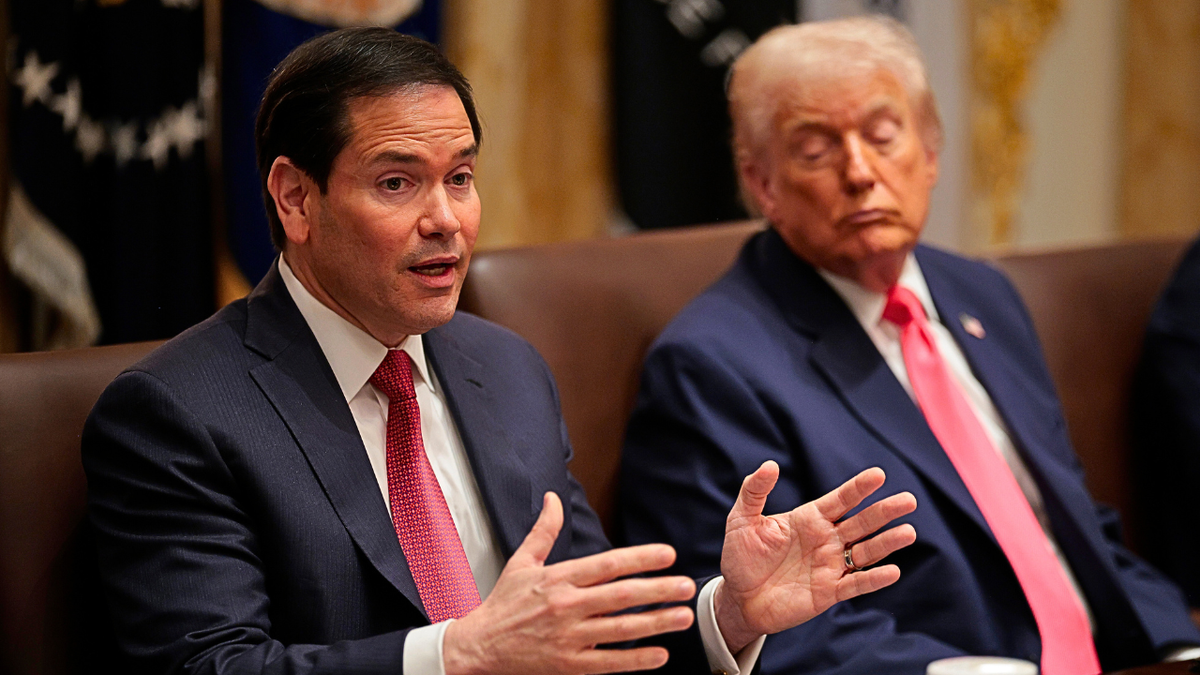
Not everyone is cheering. The Trump administration accused Moonshot last Wednesday of using covert methods to build K3 atop Anthropic’s technology, echoing complaints from some politicians who allege illicit distillation of proprietary models — claims Beijing dismisses as groundless. Treasury Secretary Scott Bessent has warned more sanctions could be coming to protect American intellectual property. Yet experts note that short of an outright ban, there is little stopping independent developers from choosing cheaper options, especially when US export controls occasionally take premium American models offline entirely while Chinese competitors keep rolling out new releases.