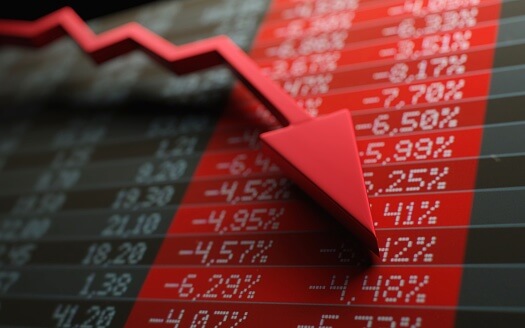
Wall Street looked ready to roar back to life Monday morning, with Dow Jones Industrial Average futures surging roughly 500 points as investors breathed a collective sigh of relief over a pause in hostilities between the United States and Iran. The break in fighting appeared to hold through the overnight hours, sending oil prices tumbling more than 6 percent and pulling Brent crude futures back below $90 a barrel. The rally sets the stage for a rebound after last week’s bruising declines, with global bond yields also sliding in response to the easing geopolitical tensions. The yield on the benchmark 10-year Treasury note dropped more than 4 basis points to 4.6345 percent, while the 2-year note fell 3 basis points to 4.3008 percent.
Energy stocks were the notable laggards in premarket trading, dragged lower by the sharp retreat in crude. Chevron and ExxonMobil each slipped about 2.5 percent, while ConocoPhillips fell 3.2 percent. The pullback in oil marks a dramatic reversal from earlier in July, when prices had surged more than 20 percent as fighting between the two nations escalated. Still, not everyone is convinced that lower oil prices signal lasting stability in the region. Helima Croft, head of global commodity strategy at RBC Capital Markets, told CNBC’s Squawk Box that oil futures are a “broken barometer” for geopolitical risk in the Middle East, noting that heavy pressure remains even with the current lull in violence.
A big part of why oil markets have stayed relatively balanced despite the Persian Gulf tensions, Croft explained, comes down to China slashing imports by an estimated 4 to 5 million barrels per day. That demand reduction has been consequential in keeping supply and demand in check even amid the conflict, she said, calling the China factor paramount to understanding current market dynamics.
On the economic data front, the Commerce Department reported Monday that durable goods orders came in softer than expected for June, rising just 0.3 percent compared with forecasts for a 2.1 percent gain. The figure marked a significant cooldown from May’s 4 percent surge. Transportation equipment orders tumbled 13.5 percent, though computers and electronic products posted a solid 3.1 percent increase. Meanwhile, analysts at Deutsche Bank noted that strong second-quarter earnings are being overshadowed by concerns around artificial intelligence capital expenditures, prompting discretionary investors to trim equity exposure back near early-April lows even as corporate profits clear a high bar set heading into the season.