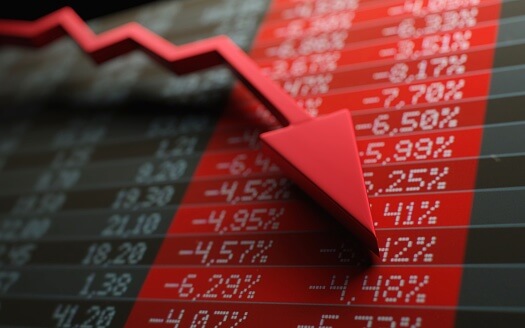
The global cobalt market has undergone a dramatic transformation through the first half of 2026, swinging from a deep supply glut to a government managed squeeze. After prices plummeted to multi year lows in 2024 due to massive production increases in the Democratic Republic of Congo, the Congolese government took aggressive action to protect the strategic value of its resources. What began as a total export ban in February 2025 evolved into a strict quarterly quota system by October of that year, effectively choking off feedstock for Chinese refineries and sending prices soaring. According to analysts at Fastmarkets, standard grade cobalt hydroxide prices surged roughly 167 percent between January 2025 and June 2026.
This price rally signals what experts believe is the definitive end of a long correction period for battery raw materials. While some questioned whether Indonesia could fill the void left by the DRC restrictions, data suggests otherwise. Indonesian exports remain a mere fraction of the volumes missing from Africa, leaving the global supply chain heavily dependent on Kinshasa’s policy decisions. Although the DRC’s dominant share of the global mine supply is expected to dip slowly over the next decade as other regions diversify, it currently maintains immense leverage over manufacturers worldwide.
However, new complications are emerging beyond simple mining quotas. Ongoing conflict in the Middle East has added a costly layer to production via spikes in sulfuric acid prices, a critical chemical used to process cobalt and nickel. Because a huge portion of global sulfur originates in that region, producers are facing persistent inflationary pressures that won’t vanish quickly even if diplomatic tensions ease. These logistics and reagent costs are now baked into the pricing structure for battery metals for the foreseeable future.
Looking ahead, while overall demand for cobalt remains positive with an estimated five percent annual growth rate through 2036, the industry is seeing a shift toward thrifting. Manufacturers are increasingly looking for ways to reduce their reliance on expensive cobalt by turning toward alternatives like high purity manganese. As next generation battery chemistries evolve, this trend toward higher manganese loading may temper some of cobalt’s long term growth potential even as it continues to play a central role in the transition to electric vehicles.